
The integration of medical devices into the healthcare system is crucial for improving patient outcomes. Medical devices generate a vast amount of patient data, which can be used to inform clinical decisions and provide better care. However, collecting and transmitting this data can be challenging, especially when using devices from different manufacturers. The eConnect platform provides solutions for medical device integration, allowing healthcare providers to gather data from various medical devices and transmit it to clinical information systems with ease.
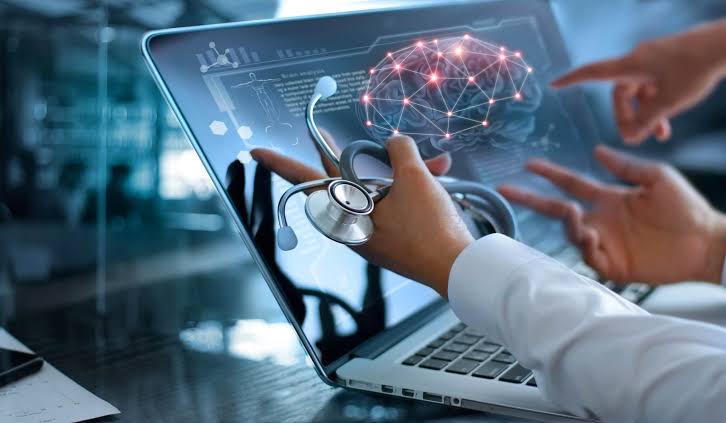
Medical device integration plays a crucial role in improving patient outcomes and reducing errors. By integrating medical devices into the healthcare system, healthcare providers can monitor patients in real-time, access patient data more quickly, and improve communication among care teams. Integration also helps to reduce manual data entry errors, which can be time-consuming and lead to inaccuracies.
The eConnect platform offers an open architecture, making it easy to integrate with a wide range of medical devices and third-party software. The platform uses open APIs, enabling seamless integration with clinical information systems such as Epic, Cerner, and Meditech. The eConnect IoMT Box is a critical component of the platform, allowing medical devices to integrate with HIS and transmit data in a brand-agnostic manner. The platform can manage the connectivity status and data of multiple devices, making it easier for healthcare providers to monitor patients in real-time.
The eConnect platform’s medical device integration offers several benefits for healthcare organizations. By integrating medical devices, healthcare providers can reduce manual data entry errors, save time, and improve communication among care teams. Integration can also help to improve patient outcomes by providing real-time data that enables healthcare providers to make informed clinical decisions. The eConnect platform’s open architecture makes it easy to integrate with a wide range of medical devices, regardless of the manufacturer or model.
The eConnect platform’s medical device integration can be used in various healthcare settings. In critical care units, medical device integration can help healthcare providers monitor patients in real-time, enabling them to detect changes in patient status and respond quickly. In outpatient settings, integration can help to improve patient data collection and reduce manual data entry errors. The platform’s open architecture makes it easy to integrate with a wide range of medical devices, enabling healthcare providers to customize the integration to meet their specific needs.
As the healthcare industry continues to evolve, the need for medical device integration will only increase. The eConnect platform’s open architecture and brand-agnostic approach make it well-positioned to meet the evolving needs of healthcare providers. With the eConnect platform, healthcare organizations can easily integrate medical devices into their workflows, enabling them to provide better care, reduce errors, and improve patient outcomes.
Medical device integration is critical for improving patient outcomes and reducing errors. The eConnect platform provides solutions for medical device integration, making it easier for healthcare providers to gather data from various medical devices and transmit it to clinical information systems. The platform’s open architecture and brand-agnostic approach make it easy to integrate with a wide range of medical devices, enabling healthcare providers to customize the integration to meet their specific needs.

